
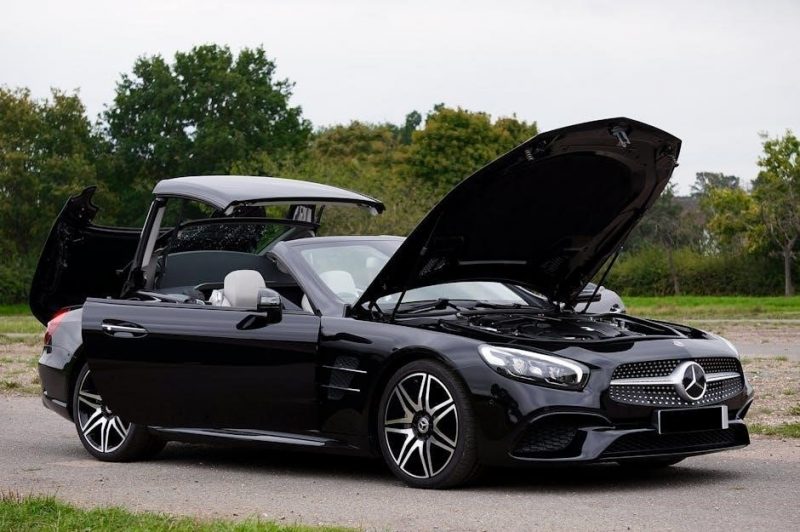
mercedes manual transmission cars
Love the control? Explore our huge collection of Mercedes cars with manual transmissions! Find detailed specs, history & resources. Start your search now!
Mercedes-Benz, renowned for luxury and engineering, once offered engaging manual transmissions. Though dwindling, these models hold appeal for driving enthusiasts seeking a connected experience.
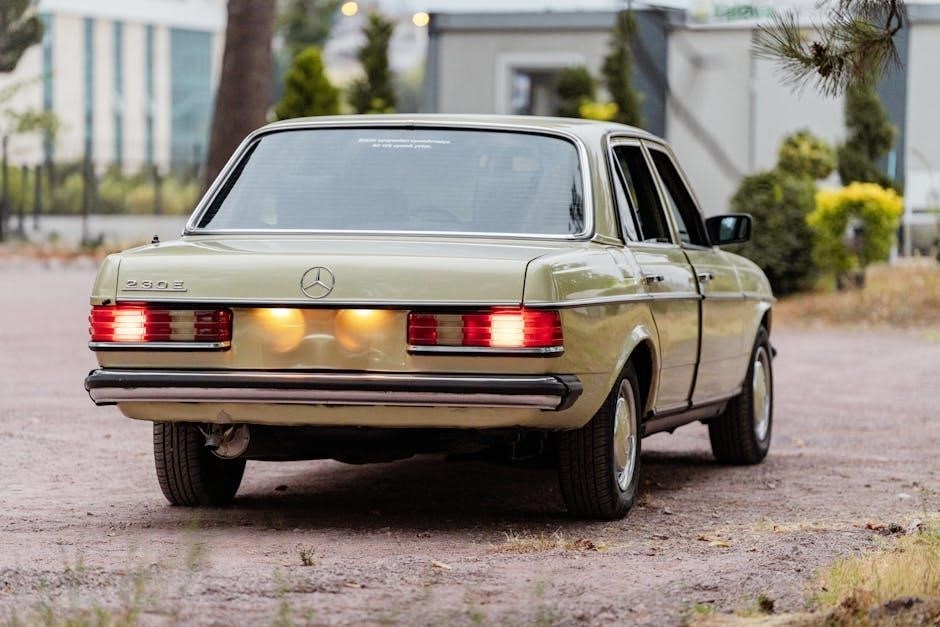
Historical Overview of Manual Transmissions in Mercedes-Benz
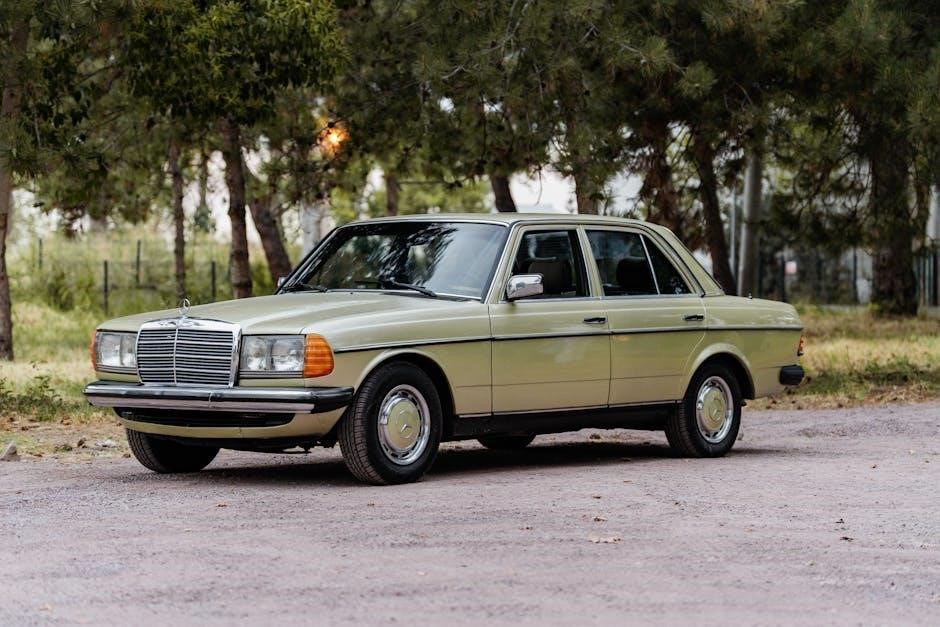
Historically, Mercedes-Benz offered manual transmissions across numerous models, catering to drivers who preferred direct control. Early examples appeared in the post-war era, becoming increasingly sophisticated alongside evolving vehicle technology. The prevalence of manuals peaked during the mid-20th century, particularly in models like the W124 and W202 series.
However, as automatic transmissions gained popularity due to convenience and advancements in efficiency, Mercedes-Benz gradually reduced manual options. By the early 2000s, manuals became increasingly rare, primarily offered in entry-level models or as special orders. The shift reflected broader market trends and a focus on comfort-oriented features. Today, finding a new Mercedes-Benz with a manual gearbox is exceptionally difficult, making existing models highly sought after by collectors and enthusiasts.
Why Choose a Mercedes-Benz with a Manual Transmission?
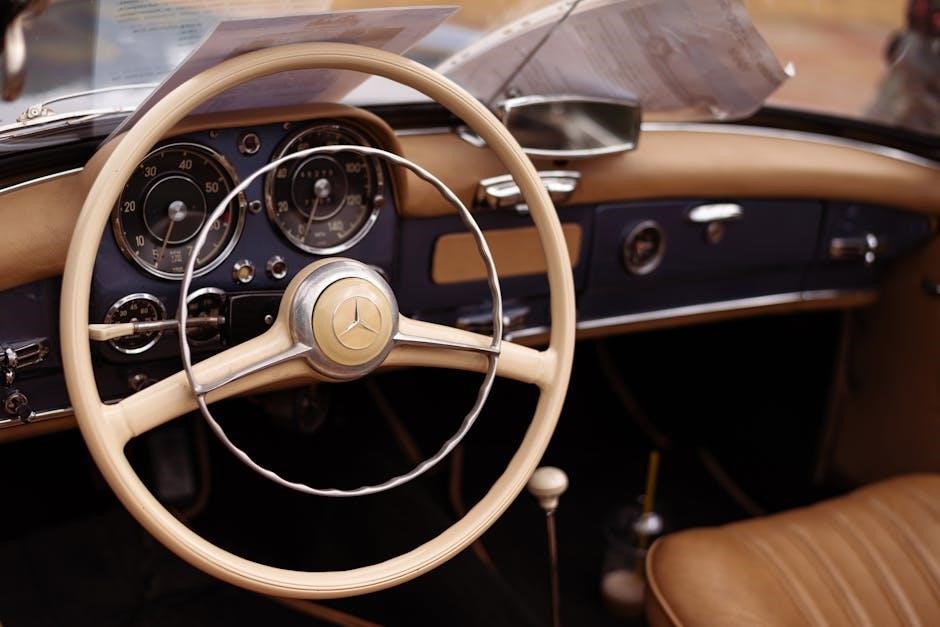
Opting for a Mercedes-Benz with a manual transmission delivers a uniquely engaging driving experience. It provides a direct connection between driver and machine, fostering greater control and involvement. Enthusiasts appreciate the ability to select gears precisely, enhancing performance and responsiveness. Beyond the driving dynamics, manual Mercedes-Benz cars often command a premium due to their rarity and collector appeal.
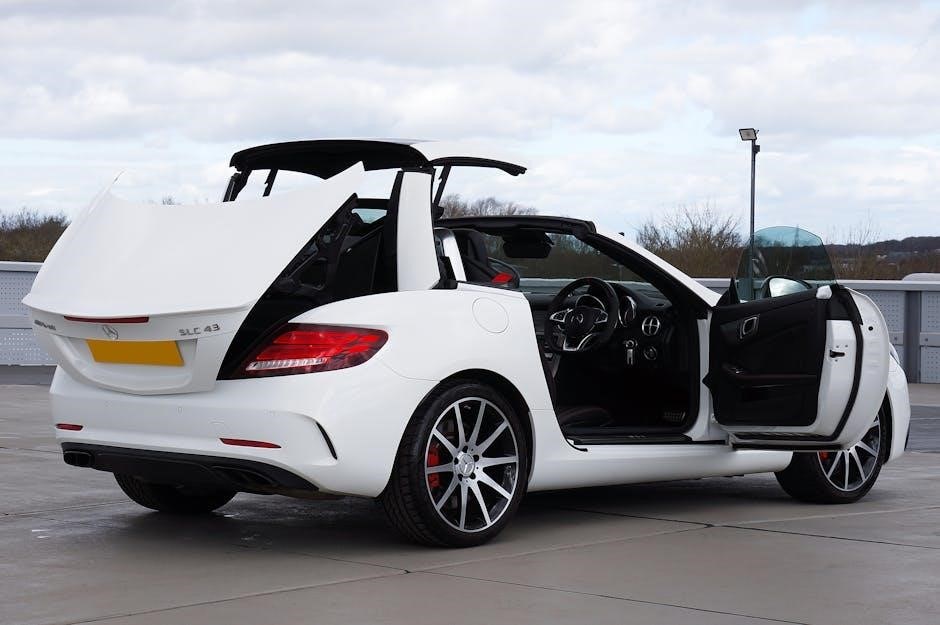
Furthermore, some argue that manuals offer improved fuel efficiency in certain driving conditions, though modern automatics have largely closed this gap. For those seeking a purist driving experience, a manual gearbox in a Mercedes-Benz represents a tangible link to a bygone era of automotive passion, offering a rewarding and visceral connection to the road.
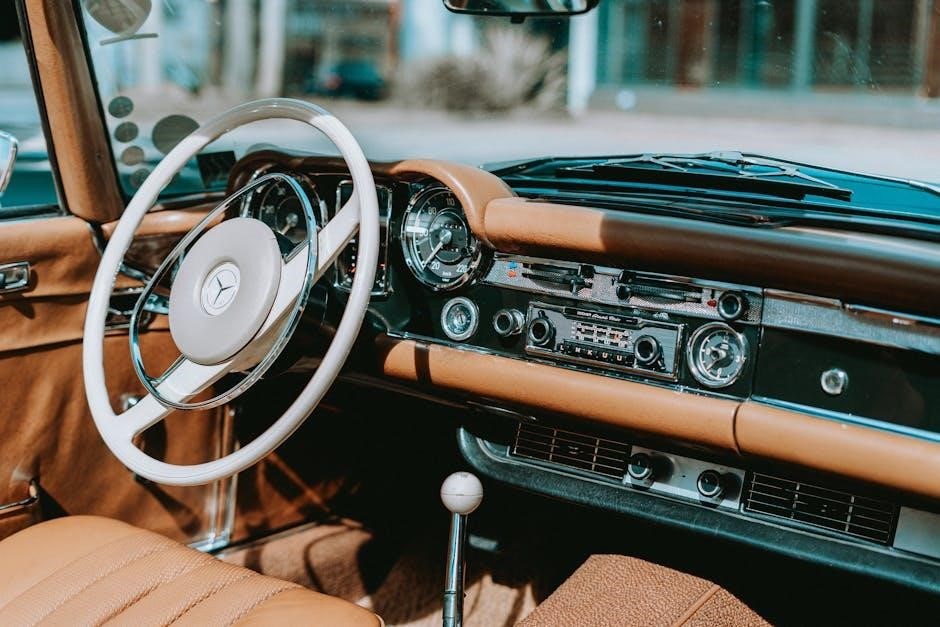
Popular Mercedes-Benz Models with Manual Transmissions
Several Mercedes-Benz models historically featured manual gearboxes, including the W124, W202 C-Class, and W203 C-Class, offering enthusiasts a rewarding driving experience.
W124 Series (1985-1996) ⏤ A Classic Choice
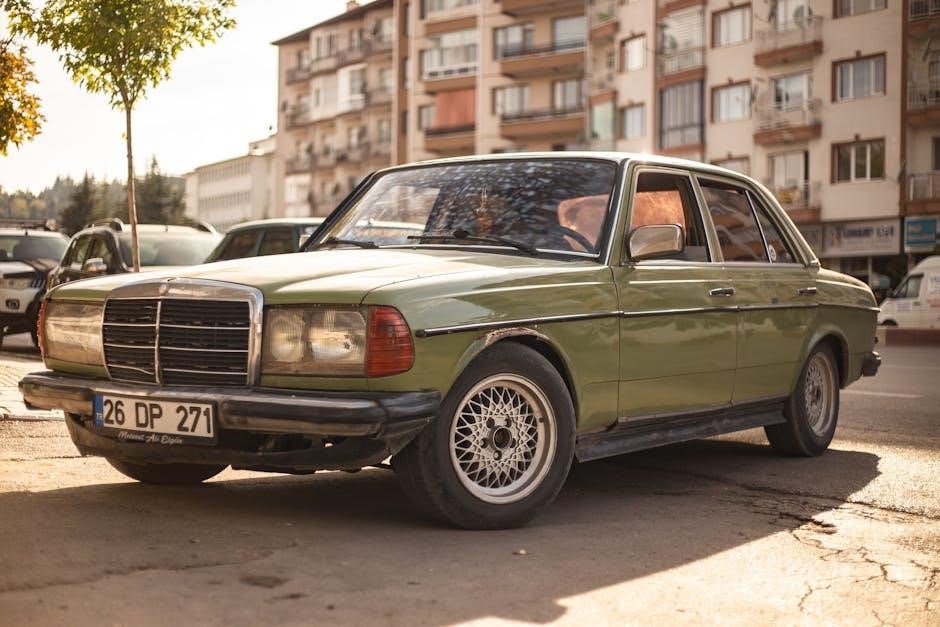
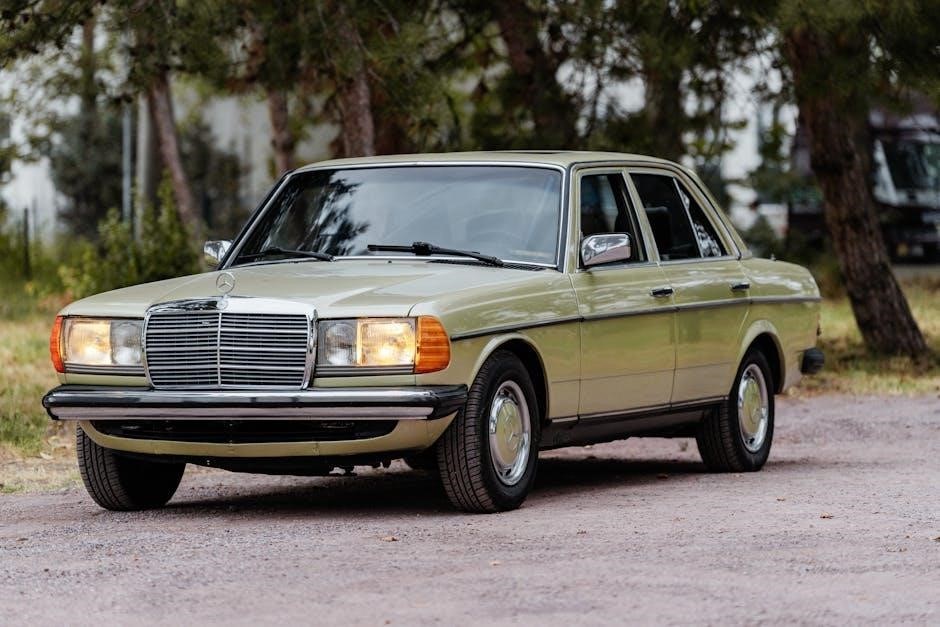
The W124 series represents a golden era for Mercedes-Benz, and manual transmission options were readily available across many models. These included the 200, 230, 260, 280, 300, and even some 320 variants, offering a range of engine choices paired with a five-speed manual gearbox.
Known for their robust build quality and timeless design, W124s with manual transmissions provide a particularly engaging driving experience. They appeal to purists who appreciate the direct connection between driver and machine. Finding a well-maintained example today is increasingly rewarding, as these cars are gaining recognition as modern classics.
The W124’s manual gearbox is generally considered durable, but age-related wear should be considered during inspection. These cars offer a unique blend of luxury, reliability, and driver involvement, making them a sought-after choice for enthusiasts.
W202 C-Class (1993-2000) ⎯ Compact and Engaging
The W202 C-Class, Mercedes-Benz’s entry into the compact executive segment, also offered manual transmission options, primarily with the C180, C200, and C220 models. These five-speed manuals provided a sportier feel compared to the automatic alternatives, enhancing the driving experience in this smaller Mercedes.
While not as commonly sought after as the W124, the W202 with a manual gearbox presents an affordable entry point into Mercedes-Benz ownership for enthusiasts. They are known for being relatively reliable, though age-related issues are common.
The C-Class’s compact size and responsive manual transmission make it a fun and engaging car to drive on winding roads. Inspecting for typical Mercedes wear and tear is crucial, but a well-maintained W202 can offer years of enjoyable motoring.
W203 C-Class (2000-2007) ⎯ Continued Availability
The W203 C-Class continued the tradition of offering manual transmissions, though their availability began to diminish as automatics gained popularity. Typically found on the C180 Kompressor and C200 Kompressor models, the six-speed manual gearbox provided a more direct connection to the engine. This enhanced driving dynamics and fuel efficiency for those who preferred a manual experience.
Compared to the W202, the W203 offered a more refined interior and improved ride quality, while still retaining the engaging feel of a manual transmission. However, potential buyers should be aware of common W203 issues, such as electrical gremlins and potential corrosion.
Finding a W203 with a manual gearbox requires patience, but it remains a viable option for enthusiasts seeking a modern classic with a driver-focused experience.
Technical Aspects of Mercedes-Benz Manual Gearboxes
Mercedes employed various manual gearbox codes like 711.6 and 711.7. These robust transmissions, while generally reliable, can exhibit issues needing specialized diagnostics and repair.
Gearbox Types and Codes (e.g., 711.6, 711.7)
Mercedes-Benz utilized a range of manual gearboxes across its models, each designated by specific codes. The 711.6, commonly found in W124 and W202 series vehicles, is a robust five-speed unit known for its durability. Later, the 711.7 emerged, offering refinements and appearing in models like the W203 C-Class. These codes aren’t merely identifiers; they signify internal component variations, gear ratios, and bell housing patterns crucial for compatibility during repairs.
Understanding these codes is vital when sourcing replacement parts. Different revisions within each code exist, impacting component interchangeability. Furthermore, the gearbox code often correlates with the engine it was designed to pair with, influencing optimal performance. Identifying the correct code ensures proper functionality and avoids costly mistakes during maintenance or restoration projects. Proper documentation and research are key.
Common Issues and Troubleshooting
Mercedes-Benz manual transmissions, while durable, aren’t immune to issues. A frequent complaint involves synchromesh wear, manifesting as difficulty shifting into specific gears, particularly second and third. Clutch master and slave cylinder failures are also common, leading to a spongy pedal or complete clutch disengagement failure. Internal linkage adjustments can sometimes resolve shifting inaccuracies.
Troubleshooting often begins with checking the clutch fluid level and inspecting for leaks. Noisy throw-out bearings indicate impending failure. Grinding noises during shifts suggest synchromesh problems, potentially requiring gearbox rebuild or replacement. Low battery voltage can sometimes trigger erratic behavior in related systems. Diagnostic tools can help pinpoint electrical faults affecting the transmission’s operation, especially concerning warning lights.
Maintenance and Repair Considerations
Mercedes-Benz manual transmissions require diligent maintenance for longevity. Regular gearbox oil changes – typically every 30,000-60,000 miles – are crucial, using the manufacturer-specified fluid. Inspect the clutch cable (if applicable) or hydraulic lines for wear and leaks. Clutch disc and pressure plate replacement are inevitable wear items, typically around 80,000-120,000 miles depending on driving style.
Repairs can range from simple adjustments to complete overhauls. Finding a mechanic experienced with older Mercedes transmissions is vital. Parts availability can be a challenge for some models, potentially requiring sourcing from specialist suppliers. Consider preventative maintenance, such as replacing the rear main seal during clutch service, to avoid future oil leaks. Proper torque specifications are essential during reassembly.
Electrical System Integration with Manual Transmissions
Mercedes-Benz integrated electrical systems with manual cars for features like battery warnings, central locking, and diagnostics. Software updates addressed potential issues, ensuring optimal function.
Battery Warning Systems and Diagnostics
Mercedes-Benz manual transmission vehicles employ sophisticated battery warning systems, often indicated by a dashboard symbol and accompanying messages. Owners have reported issues like persistent low battery warnings, even after replacing the battery with a new CR2025 cell. These warnings can sometimes be linked to the remote central locking system, manifesting as a flashing red and green light combination upon locking or unlocking.
Diagnostics often require checking the battery voltage while the engine is running; a healthy system should maintain adequate voltage. However, underlying electrical faults or issues with the vehicle’s control units can trigger false positives. Correction campaigns, initiated by Mercedes-Benz, sometimes involve software updates to address these electrical gremlins and ensure accurate battery monitoring and system functionality. Thorough diagnostics are crucial for pinpointing the root cause.
Central Locking and Remote Control Issues
Mercedes-Benz vehicles with manual transmissions aren’t immune to central locking and remote control malfunctions. A common complaint involves the persistent “low battery-Remote Central Locking” warning, despite new battery installations in the key fob; This issue often presents as a flashing red and green light sequence when operating the locking system. Potential causes range from a failing receiver unit within the car to problems with the wiring harness connecting the system.
Troubleshooting may involve checking the cable harness (part number A 164841 A 290166, excluding code 806) and ensuring proper connections. Software glitches can also contribute, necessitating a visit to a Mercedes-Benz correction center for a potential software upgrade, as sometimes mandated by recall notices.
Software Updates and Correction Campaigns
Mercedes-Benz frequently issues software updates and correction campaigns addressing various vehicle systems, impacting even models with manual transmissions. Owners may receive letters requesting vehicle inspection at an authorized Mercedes-Benz center for these updates. These campaigns often target specific issues, potentially resolving problems with the battery management system, collision detection, or other electronic components.
Ignoring these updates can lead to continued malfunctions or compromised safety features. The MBUX system, for example, might falsely report a collision, triggering unnecessary alerts. Updates ensure optimal system performance and address potential vulnerabilities. It’s crucial to comply with these campaigns, as they are often implemented to rectify factory-identified flaws and enhance vehicle reliability.
Finding and Purchasing Mercedes-Benz Manual Cars
Locating these increasingly rare vehicles requires diligent searching through online marketplaces, specialist forums, and classic car dealers; patience is key to success.
Resources for Locating Manual Transmission Models
Finding a Mercedes-Benz with a manual transmission today demands a proactive approach. Online marketplaces like Bring a Trailer, ClassicCars.com, and eBay Motors frequently list older models, though diligent filtering is crucial. Specialist Mercedes-Benz forums, such as those dedicated to specific series like the W124 or W202, often have classifieds sections where enthusiasts sell their cars.
Furthermore, consider contacting classic car dealerships specializing in European vehicles. These dealers often have a network for sourcing specific models. Don’t overlook local Mercedes-Benz clubs; members may be aware of cars for sale within the community. Utilizing social media groups dedicated to Mercedes-Benz enthusiasts can also yield leads. Remember to thoroughly vet any potential purchase and always arrange a pre-purchase inspection by a qualified mechanic.
Inspection Checklist for Potential Purchases
A thorough inspection is vital when considering a manual Mercedes-Benz. Begin with the gearbox: check for smooth shifts, listen for unusual noises (whining, grinding), and ensure the clutch engages firmly without slipping. Inspect the clutch pedal for excessive play or stiffness. Examine the shift linkage for wear or looseness.
Beyond the transmission, assess the car’s overall condition. Check for rust, particularly in the undercarriage and around wheel arches. Verify the battery warning systems function correctly, and test the central locking. Review service records for evidence of regular maintenance. A diagnostic scan can reveal hidden electrical issues. Finally, confirm the vehicle hasn’t been subject to unresolved software correction campaigns.
Market Value and Price Trends
The market value of Mercedes-Benz cars with manual transmissions is heavily influenced by rarity and condition. Generally, manual models command a premium over automatics, especially for desirable classics like the W124. Prices vary significantly based on model, year, mileage, and overall condition.
Recent trends indicate increasing interest from enthusiasts, driving up prices for well-maintained examples. Expect to pay a premium for low-mileage, original cars. Online marketplaces and specialist dealers are good resources for gauging current values. Be prepared to negotiate, and factor in potential repair costs when assessing a vehicle’s true worth. Values are also affected by location and demand.
The Future of Manual Transmissions in Mercedes-Benz
Despite declining overall sales, manual transmissions retain a niche appeal for Mercedes-Benz enthusiasts who prioritize driving engagement and a classic feel.
Current Trends in Transmission Preferences
Globally, automatic transmissions – and increasingly, more sophisticated automated manual transmissions and continuously variable transmissions (CVTs) – dominate the new car market. Consumer preference overwhelmingly leans towards the convenience and ease of use offered by these systems. This trend is particularly pronounced in the luxury segment, where Mercedes-Benz traditionally resides.
Data indicates that manual transmissions now represent a very small fraction of overall new car sales. While precise figures for Mercedes-Benz specifically are difficult to ascertain, the general automotive landscape reflects a significant shift. Factors driving this change include increased traffic congestion, a desire for simpler driving experiences, and advancements in automatic transmission technology that deliver improved fuel efficiency and performance. However, a dedicated core of enthusiasts continues to seek out manual options.
The Appeal of Manuals for Enthusiasts
Despite the industry-wide shift towards automatics, a passionate community of drivers actively seeks Mercedes-Benz models equipped with manual transmissions. This enduring appeal stems from a desire for a more engaging and connected driving experience. Manual gearboxes offer a greater sense of control, allowing drivers to precisely select gears and feel more intimately involved with the vehicle’s mechanics.
For many enthusiasts, the act of driving a manual transmission is a skill to be honed and enjoyed. It fosters a deeper connection with the car and provides a more rewarding experience on winding roads or during spirited driving. The rarity of manual Mercedes-Benz models further enhances their desirability, transforming them into collector’s items and symbols of a bygone era of automotive engagement.