
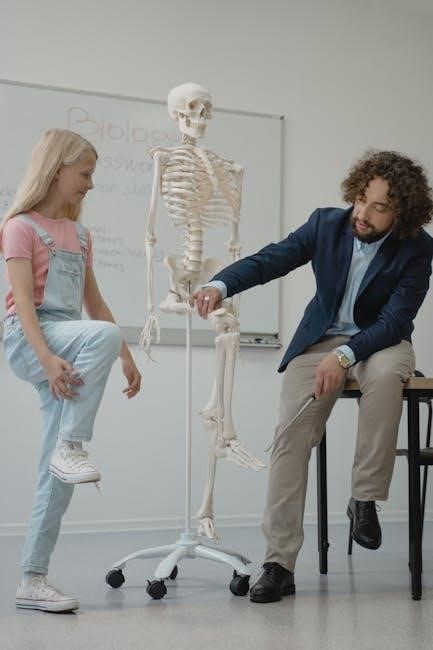
a teacher parents guide
Struggling to support your child's learning? Our teacher-parent guide offers practical tips & insights for a successful school year. Let's work together!
A strong teacher-parent partnership is crucial for student success, fostering growth through interactive dialogue and shared responsibility. This collaborative approach,
utilizing open communication, ensures parents are active partners in education, building trust and understanding for optimal outcomes.
Why Collaboration Matters for Student Success
Genuine collaboration between teachers and parents significantly impacts a student’s academic and social-emotional development. When both parties actively communicate and work together, a consistent support system is established, extending learning beyond the classroom walls.
This partnership allows teachers to gain valuable insights into a student’s home environment, learning style, and individual needs. Conversely, parents receive a clearer understanding of classroom expectations, curriculum goals, and their child’s progress.
Interactive dialogue, as highlighted by Susan Graham-Clay, is key. Open communication fosters trust, enabling proactive problem-solving when challenges arise. Students thrive when they perceive a united front between their educators and families, leading to increased engagement, motivation, and ultimately, greater achievement. A shared commitment to a child’s success creates a powerful synergy.
The Evolving Role of Parents in Education
The traditional role of parents in education is evolving from simply monitoring homework to actively participating as partners in their child’s learning journey. Today’s parents are increasingly expected to be engaged advocates, collaborators, and supporters of both the student and the teacher.
This shift necessitates open communication channels and a willingness to work together to address challenges and celebrate successes. Parents are now seen as valuable sources of information about their children’s strengths, weaknesses, and individual learning preferences.
Furthermore, the rise of technology has facilitated greater parental involvement through online portals, email updates, and communication apps. Establishing reliable communication, as Erin Healey suggests, is paramount. This evolving dynamic requires teachers to embrace a collaborative mindset and actively seek parental input, fostering a strong home-school connection.
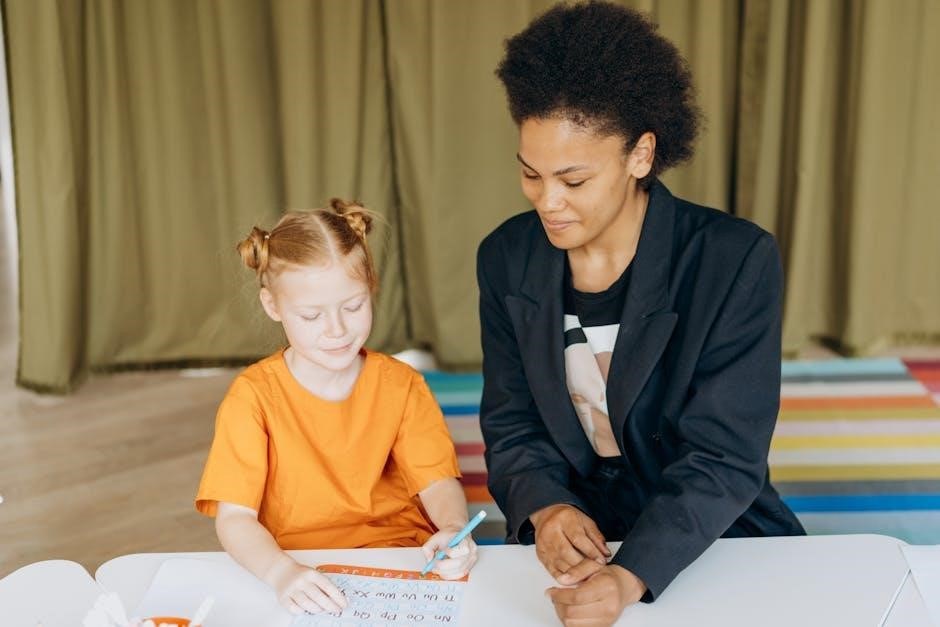
Establishing Communication Channels
Creating reliable communication pathways—through surveys, calls, emails, and technology—is essential for fostering strong teacher-parent relationships and ensuring consistent engagement.
Initial Contact: Setting the Tone
The first interaction between a teacher and parent profoundly shapes the entire partnership. A welcoming and proactive approach immediately establishes a positive tone, signaling a commitment to collaboration. Consider a beginning-of-the-year communication – a Google Form inquiring about preferred contact methods, a brief introductory phone call, or a dedicated segment during back-to-school night.
This initial outreach shouldn’t solely focus on logistical details; it’s an opportunity to express genuine enthusiasm for working with the student and family. Briefly share your teaching philosophy and expectations, while also actively soliciting parental insights regarding their child’s strengths, needs, and learning style.
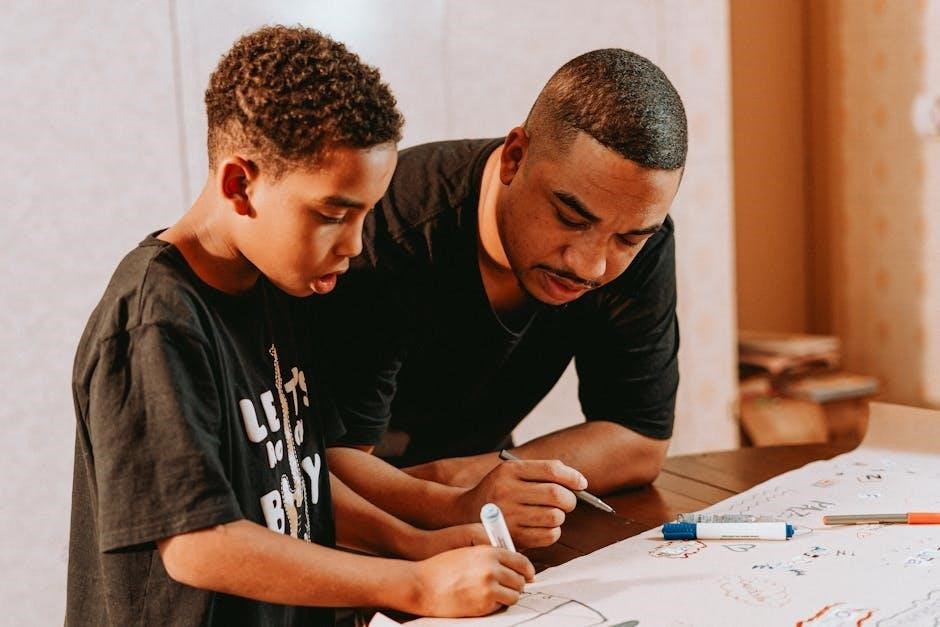
Emphasize that you view parents as valuable partners in their child’s education, and that open communication is highly encouraged. This early investment in building rapport lays the groundwork for a trusting and productive relationship throughout the year.
Preferred Communication Methods: Surveys & Preferences
Recognizing that families communicate differently is paramount to effective partnership. A one-size-fits-all approach often leads to missed messages and frustration. Proactively determine each family’s preferred method of contact through a simple survey. Options should include email, phone calls (specifying preferred times), text messaging (if permitted by school policy), and online portals.
The survey should also inquire about language preferences and any accessibility needs. Respecting these individual preferences demonstrates consideration and fosters a sense of partnership. Regularly revisit these preferences, as circumstances can change throughout the year.
Clearly communicate your own response times for each method. Setting realistic expectations prevents misunderstandings and ensures timely communication. Utilizing a variety of methods increases the likelihood of reaching all parents effectively.
Utilizing Technology: Email, Portals, and Apps
Technology offers numerous avenues for streamlined and efficient parent-teacher communication. Email remains a staple, providing a documented record of correspondence. However, be mindful of email overload and prioritize concise, informative messages. School portals, if available, are excellent for sharing grades, assignments, and important announcements in a centralized location.
Explore dedicated communication apps designed for schools, which often facilitate real-time updates, messaging, and event calendars. Ensure compliance with school policies regarding data privacy and student confidentiality when using any digital tool.
Provide clear instructions and support for parents unfamiliar with these technologies. Offer training sessions or create user-friendly guides. Regularly check these platforms for parent messages and respond promptly, fostering a connected learning community.

Effective Communication Strategies
Prioritize open, honest dialogue and active listening to build trust and understand parental perspectives. Positive framing, focusing on strengths and growth,
enhances collaboration and supports student success.
Open and Honest Dialogue: The Foundation of Trust
Establishing a foundation of trust through open and honest dialogue is paramount in the teacher-parent partnership. This means creating a safe space where both parties feel comfortable sharing information, concerns, and perspectives without fear of judgment.
Teachers should proactively initiate conversations, not just when problems arise, but also to celebrate successes and share positive observations. Transparency regarding student progress, classroom activities, and expectations is key.
Parents, in turn, should feel empowered to voice their concerns and ask questions. A two-way exchange, characterized by respectful listening and a genuine desire to understand each other’s viewpoints, fosters a collaborative spirit.
Remember, effective communication isn’t simply about what is said, but how it’s conveyed. Empathy, patience, and a commitment to finding solutions together are essential components of this crucial dialogue.
Active Listening: Understanding Parental Concerns
Truly hearing and understanding parental concerns requires more than just passively listening; it demands active engagement and empathy. Teachers must demonstrate a genuine interest in the parent’s perspective, creating a non-judgmental environment where they feel comfortable expressing their thoughts and feelings.
This involves maintaining eye contact, nodding to show understanding, and paraphrasing to confirm accurate comprehension. Asking clarifying questions – “Can you tell me more about that?” or “What specifically concerns you?” – demonstrates a commitment to fully grasping the issue.
Resist the urge to interrupt or formulate a response while the parent is speaking. Focus entirely on their message, acknowledging their emotions, and validating their concerns.
Active listening builds trust and demonstrates respect, paving the way for collaborative problem-solving and a stronger teacher-parent relationship.
Positive Framing: Focusing on Strengths and Growth
Communicating with parents should prioritize a positive and growth-oriented approach, even when discussing challenges. Instead of solely focusing on deficits, highlight the student’s strengths and areas where they are demonstrating progress. This fosters a collaborative spirit and encourages parental involvement.
Frame concerns as opportunities for growth, using language that emphasizes potential rather than limitations. For example, instead of saying “Your child is struggling with reading,” try “We’re working on developing your child’s reading skills, and I’ve noticed they excel in comprehension when reading aloud.”
Share specific examples of positive behaviors and academic achievements.
This approach builds confidence in both the student and the parent, creating a supportive environment where everyone is focused on achieving success. Positive framing encourages engagement and strengthens the teacher-parent partnership.

Navigating Difficult Conversations
Addressing concerns requires professionalism, respect, and a collaborative spirit. Open communication, positive feedback, and engagement strategies are vital for solutions and student success.
Addressing Academic Struggles: A Collaborative Approach
When a student faces academic challenges, a unified front between teacher and parent is paramount. Initiate conversations with open and honest dialogue, focusing on strengths while acknowledging areas needing improvement. Avoid blame and instead, frame the discussion around collaborative problem-solving;
Share specific observations and data – test scores, work samples, classroom performance – to illustrate the struggles objectively. Actively listen to parental concerns and perspectives; understanding the home environment can provide valuable insights. Together, create an action plan with clearly defined goals and strategies.
This plan might include extra help, modified assignments, or a change in study habits. Regular check-ins are essential to monitor progress and adjust the plan as needed. Remember, the goal is to support the student’s growth, and a strong partnership is the most effective path to achieving that.
Handling Behavioral Issues: Working Together for Solutions
Addressing behavioral concerns requires a consistent and collaborative approach between home and school. Begin with open communication, sharing specific observations of the behavior in the classroom, avoiding generalizations or subjective interpretations. Focus on the behavior itself, not the child’s character.
Actively listen to the parents’ perspective; understanding potential triggers or contributing factors at home is crucial. Together, brainstorm strategies to address the behavior, establishing clear expectations and consequences. Consistency is key – both at school and at home – to reinforce desired behaviors.
Develop a behavior plan with specific, measurable goals and regular check-ins to monitor progress. Positive reinforcement for good behavior is often more effective than punishment. Remember, the goal is to help the student develop self-regulation skills and make positive choices.
Conflict Resolution: Maintaining Professionalism and Respect
When disagreements arise with parents, maintaining professionalism and respect is paramount. Begin by actively listening to their concerns without interruption, validating their feelings even if you don’t agree with their perspective. Acknowledge their role as the child’s primary advocate.
Respond calmly and empathetically, avoiding defensiveness or accusatory language. Focus on finding common ground and collaboratively seeking solutions that prioritize the student’s well-being. Clearly articulate your own perspective, using specific examples and avoiding generalizations.
If the conversation becomes heated, suggest a break or a follow-up meeting to allow everyone to cool down. Document all communication and involve a school administrator if necessary. Remember, the goal is to resolve the conflict constructively and maintain a positive working relationship.

Parent-Teacher Conferences
Effective conferences require preparation, data gathering, and a collaborative action plan for student success. These meetings foster open communication and shared responsibility for growth.
Preparation is Key: Gathering Data and Insights
Thorough preparation is paramount for productive parent-teacher conferences. Before meeting, teachers should meticulously gather comprehensive data showcasing the student’s academic performance, including grades, test scores, and classroom assignments.
Beyond academics, collect insights into the student’s behavior, social interactions, and learning style. Document specific examples – both strengths and areas needing improvement – to illustrate your points effectively. Review past communication with parents, noting any previously discussed concerns or successes.
Consider creating a brief agenda to guide the conversation and ensure all key topics are addressed. This demonstrates respect for the parents’ time and helps maintain focus. Anticipate potential questions parents might have and prepare thoughtful responses. Having concrete evidence and thoughtful observations readily available will facilitate a more meaningful and collaborative discussion.
Creating an Action Plan: Next Steps for Student Success
A conference isn’t complete without a collaboratively developed action plan. This plan should outline specific, measurable, achievable, relevant, and time-bound (SMART) goals for the student’s improvement. Clearly define the roles and responsibilities of the teacher, parents, and, when appropriate, the student themselves.
Detail concrete strategies that will be implemented both at school and at home to support the student’s progress. This might include extra help sessions, modified assignments, or specific home-based practice activities. Establish a timeline for reviewing progress and making adjustments to the plan as needed.
Ending the meeting with a clear action plan demonstrates a commitment to the student’s success and fosters a sense of partnership. Ensure all parties understand and agree upon the outlined steps, promoting accountability and a shared focus on positive outcomes.
Follow-Up After the Conference: Maintaining Momentum
The parent-teacher conference isn’t a one-time event, but a stepping stone in an ongoing partnership. Following up demonstrates continued commitment and reinforces the collaborative spirit. Within a week, send a brief summary of the discussed points and the agreed-upon action plan to the parents, solidifying understanding and providing a reference point.
Regularly communicate progress towards the goals, even if it’s just a quick email update. Share positive observations alongside areas needing continued attention, maintaining a balanced perspective. Be proactive in reaching out if challenges arise, fostering open communication and preventing concerns from escalating.
Consistent follow-up maintains momentum and strengthens the home-school connection, ultimately maximizing the student’s potential for success.

Building Strong Relationships
Cultivate genuine care and concern, providing regular updates and celebrating student achievements. Encourage open communication and active listening to foster trust and partnership.
Showing Genuine Care and Concern
Demonstrating authentic care builds a foundation of trust with families, extending beyond academic discussions. Small gestures, like a personalized note acknowledging a student’s effort or a quick phone call to share positive observations, can significantly impact the parent-teacher relationship.
Parents want to know their child is valued as an individual, and teachers who show genuine interest in their students’ lives – both inside and outside the classroom – foster a sense of partnership. This involves remembering details about family events, acknowledging challenges they may be facing, and consistently conveying a belief in the student’s potential.
Active listening during conversations is paramount; truly hearing parental concerns and perspectives demonstrates respect and validates their role in their child’s education. This proactive approach creates a welcoming environment where parents feel comfortable sharing information and collaborating on solutions, ultimately benefiting the student’s overall well-being and academic progress.
Regular Updates: Keeping Parents Informed
Consistent communication, beyond scheduled conferences, is vital for maintaining a strong teacher-parent connection. Proactive updates, even brief ones, demonstrate a commitment to transparency and partnership. Utilizing various channels – email, classroom portals, or dedicated apps – allows parents to stay informed about their child’s progress, both academically and behaviorally.
These updates shouldn’t solely focus on areas of concern; sharing positive observations and celebrating student achievements reinforces a collaborative spirit. Regular newsletters summarizing classroom activities, upcoming events, and learning objectives can also be incredibly valuable.
Establishing a predictable communication rhythm helps manage expectations and prevents parents from feeling left in the dark. This consistent flow of information fosters trust and empowers parents to actively support their child’s learning journey, creating a unified front for success.
Celebrating Successes: Acknowledging Student Achievements
Recognizing and celebrating student accomplishments, both big and small, is a powerful tool for building a positive parent-teacher relationship. Sharing these successes with parents reinforces the value of their child’s efforts and fosters a sense of pride. This positive feedback loop motivates students and strengthens the home-school connection.

A simple email highlighting a student’s improved test score, a thoughtful classroom contribution, or demonstrated growth in a specific skill can make a significant impact. Consider showcasing student work through online platforms or classroom displays, inviting parents to share in the celebration.
Acknowledging effort and progress, not just grades, encourages a growth mindset and reinforces the importance of perseverance. This collaborative celebration of success builds trust and demonstrates a shared commitment to the student’s overall well-being and academic journey.

Overcoming Communication Barriers
Addressing language differences, time constraints, and privacy concerns is vital for effective communication. Utilizing translation services and flexible options ensures inclusivity and builds trust.
Language Differences: Utilizing Translation Services
Navigating communication with parents who have limited English proficiency requires sensitivity and proactive solutions. Simply assuming understanding can lead to misinterpretations and hinder collaboration. Fortunately, numerous resources are available to bridge this gap and ensure all families feel informed and involved.
Schools often have access to translation and interpretation services, either in-house or through partnerships with community organizations. Don’t hesitate to utilize these resources for important documents, meetings, and phone calls. Consider providing translated versions of key school policies, newsletters, and student progress reports.
Beyond professional services, explore readily available technology. Online translation tools can assist with quick communication, though accuracy should always be verified for critical information. Encourage bilingual students or staff members to act as interpreters when appropriate, always respecting confidentiality. Remember, demonstrating a commitment to clear communication, regardless of language, fosters trust and strengthens the teacher-parent partnership.
Time Constraints: Finding Flexible Communication Options
Recognizing that both teachers and parents lead busy lives is paramount to effective communication. Rigid schedules and limited availability shouldn’t be barriers to collaboration. Offering a variety of communication channels and being flexible with timing demonstrates respect for everyone’s commitments.
Embrace asynchronous communication methods like email, online portals, and messaging apps. These allow parents to respond at their convenience, rather than requiring immediate attention. Short, concise updates are often more effective than lengthy emails. Consider utilizing brief video updates or recorded messages for quick check-ins.
Offer a range of meeting times, including before or after school, or even virtual options. Be mindful of work schedules and childcare constraints. Proactively solicit parent preferences regarding communication methods and availability. Demonstrating a willingness to adapt and accommodate fosters a stronger, more collaborative partnership, ensuring all voices are heard.
Addressing Parental Concerns About Privacy
Protecting student and family privacy is non-negotiable and builds trust. Teachers must be acutely aware of data privacy regulations and school policies regarding the sharing of student information. Transparency is key; clearly explain what information is collected, how it’s used, and with whom it’s shared.
Utilize secure communication channels, such as school-approved email systems or parent portals, rather than personal email addresses or messaging apps. Avoid discussing individual student performance in public spaces or with other parents. Always obtain explicit consent before sharing photos or videos of students.
Be mindful of the information shared during parent-teacher conferences and in written communications. Focus on academic progress and behavior, avoiding sensitive personal details. Reassure parents that their concerns about privacy are taken seriously and that all data is handled responsibly, fostering a safe and respectful environment.

Resources for Teachers
Teachers can access school-based support, online professional development, and community partnerships to enhance parent engagement. These resources foster effective communication and collaboration.
School-Based Support Systems
Many schools offer dedicated resources to facilitate the teacher-parent partnership, providing invaluable support for educators navigating these crucial relationships. These systems often include guidance counselors available for consultation on sensitive family situations, or to assist in mediating communication challenges. School psychologists can offer insights into student behavior and learning styles, aiding in crafting tailored communication strategies for parents.
Furthermore, experienced mentors – often veteran teachers – can share best practices for parent engagement and conflict resolution. Professional development workshops, frequently offered at the school or district level, focus specifically on effective communication techniques and strategies for building trust with families. Don’t overlook the potential of parent-teacher organizations (PTOs) as a platform for fostering collaboration and gathering parent feedback. Utilizing these internal resources empowers teachers to proactively build strong, supportive relationships with parents, ultimately benefiting student success.
Online Resources and Professional Development
A wealth of online resources and professional development opportunities are available to equip teachers with the skills needed for effective parent communication. Platforms like Edutopia offer articles and webinars focused on building strong home-school connections, including strategies for opening reliable communication channels and adapting to diverse family preferences.
Organizations such as CCEI (Continuing Education for Early Childhood Instructors) provide courses specifically addressing positive listening skills and overcoming communication barriers. Pepperdine GSEP’s blog highlights the importance of active listening and collaborative action planning. Exploring these resources can refine your approach to parent-teacher conferences and difficult conversations. Seek out professional development focusing on cultural sensitivity and utilizing translation services to ensure inclusive communication. Continuous learning in this area is vital for fostering a supportive and collaborative partnership with all families.
Community Partnerships: Expanding Support Networks
Leveraging community partnerships can significantly expand support networks for both teachers and families. Schools can collaborate with local organizations to offer workshops on parenting skills, financial literacy, or navigating the educational system. These partnerships can provide resources for families facing challenges that impact student success, such as language barriers or time constraints.
Connecting with community centers, libraries, and social service agencies can offer access to translation services and other essential support. Building relationships with local businesses can create opportunities for mentorship programs or donations of school supplies. Strong community ties demonstrate a commitment to supporting the whole child and fostering a sense of belonging. These collaborative efforts strengthen the teacher-parent partnership, creating a more robust and responsive support system for all students.