
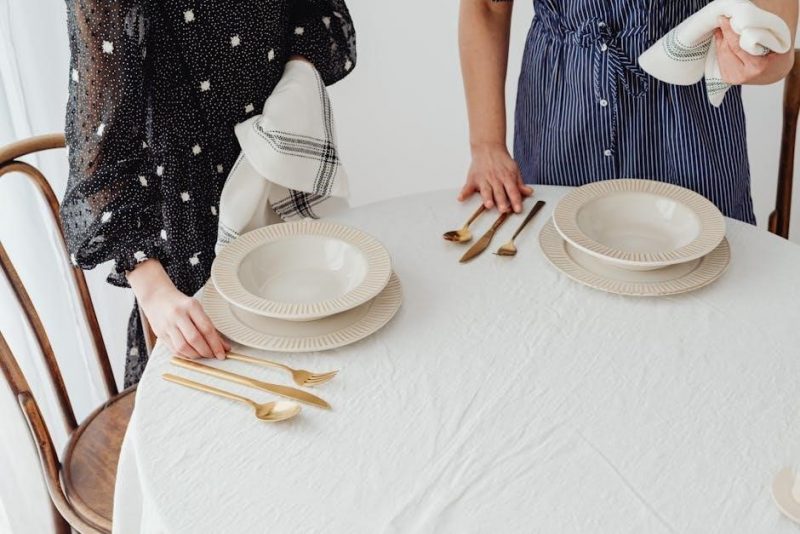
a guide to tablecloth sizing
Struggling with tablecloth sizes? Our guide takes the guesswork out of it! Learn how to measure & choose the perfect drop for any table – from casual dinners to grand feasts. **Tablecloth size** made easy!
A Comprehensive Guide to Tablecloth Sizing (Updated 04/09/2026)
Navigating tablecloth dimensions can be tricky! This guide simplifies the process, ensuring a perfect fit for your dining table and aesthetic preferences.
Understanding Tablecloth Overhang
Tablecloth overhang refers to the amount of fabric that extends beyond the edge of your table. It’s a crucial element in achieving a polished and visually appealing table setting. A proper overhang isn’t just about aesthetics; it impacts the overall dining experience, influencing comfort and the perceived formality of the occasion.
The length of the overhang can vary significantly, ranging from a minimal few inches to a dramatic, floor-length drape. Choosing the right overhang depends on several factors, including the table’s shape, your dining style (casual or formal), and personal preference. Finding the right balance is key – too little overhang can look awkward, while too much can create a cluttered or impractical setup.
Essentially, the overhang defines the tablecloth’s presence and contributes to the overall ambiance of your dining space.
Standard Tablecloth Overhangs Explained
Common overhang lengths generally fall into three categories: minimal, standard, and dramatic. A minimal overhang (4-8 inches) is ideal for casual dining or smaller tables, offering a clean and uncluttered look. It’s practical for everyday use and doesn’t interfere with seating.
The standard overhang (9-12 inches) is the most versatile choice, suitable for a wide range of dining styles. It provides a balanced aesthetic, offering enough drape to elevate the table setting without being overly formal. This is a popular choice for everyday and special occasions.

A dramatic overhang (15+ inches, often floor-length) creates a luxurious and elegant ambiance, best suited for formal dinners and special events. It adds a touch of grandeur but requires more fabric and careful consideration of floor clearance;
Factors Influencing Overhang Choice
Several key elements dictate the ideal tablecloth overhang. Table shape is paramount; round tables benefit from consistent overhang, while rectangular tables can handle varied drops. Your dining style also plays a role – casual settings suit shorter overhangs, while formal occasions demand more dramatic drapes.
Consider the table’s purpose. Is it for daily meals or special events? The frequency of use impacts practicality. Seating arrangements matter too; ensure sufficient legroom with the chosen overhang. Personal preference is crucial – some prefer a minimalist look, others a lavish display.
Finally, room aesthetics should align with the tablecloth’s drape. A smaller room might feel overwhelmed by a large overhang, while a spacious room can accommodate a more substantial drop.
Table Shape and Overhang
Round tables generally look best with an equal overhang all around, typically 8-12 inches, creating a balanced, flowing appearance. Square tables can utilize a similar overhang, or a slightly longer drop on all sides for a more relaxed feel.
Rectangular tables offer more flexibility. A standard approach is 8-12 inches on all sides, but you can opt for a longer drop at the ends for a formal look. Oval tables require careful consideration; mirroring the oval shape with the tablecloth’s drape is visually appealing, often needing a customized length.
Irregularly shaped tables necessitate custom tablecloths, measuring carefully to ensure adequate coverage and a pleasing aesthetic. Always prioritize a consistent and proportional overhang relative to the table’s dimensions.
Dining Style and Overhang
Formal dining often benefits from a longer tablecloth overhang – 12-18 inches – creating a luxurious and elegant drape, almost touching the floor. This style emphasizes sophistication and grandeur.
Casual dining allows for a shorter, more practical overhang, typically 8-10 inches. This provides sufficient coverage without being overly dramatic, promoting a relaxed atmosphere.
Everyday use calls for a functional overhang of 6-8 inches, prioritizing practicality and ease of movement. Consider the height of chairs when determining the ideal drop. A longer overhang can create a more polished look, while a shorter one is easier to manage for daily meals.
Measuring Your Table for a Tablecloth
Accurate measurements are crucial for a perfectly fitting tablecloth. Begin by measuring the length and width of your table. For rectangular or square tables, measure from edge to edge.
Round tables require diameter measurement – across the widest point. Don’t forget to consider any extensions or leaves your table may have, measuring with them fully extended if you want the tablecloth to fit when in use.
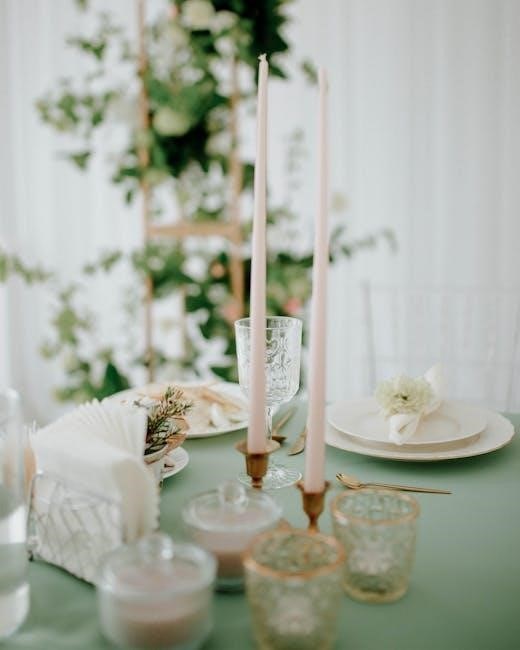
Account for desired overhang. Add your preferred overhang length (discussed later) to both the length and width measurements. This will give you the minimum tablecloth size needed. Double-check all measurements before ordering to avoid disappointment!
Round Tablecloth Sizing

Determining the correct size for a round table centers around its diameter. Unlike square or rectangular tables, you only need one measurement; Measure across the table’s widest point to find the diameter.
Consider the desired drop length – the amount of fabric hanging over the edge. A standard drop is typically between 8-12 inches, but can vary based on preference and table height.
To calculate the tablecloth diameter, add twice the desired drop length to the table’s diameter. For example, a 48-inch diameter table with a 10-inch drop needs a 68-inch diameter tablecloth. Ensure a graceful drape and proportional look!
Determining Diameter for Round Tables
Accurately measuring your round table’s diameter is the crucial first step. Use a flexible measuring tape and ensure it’s stretched taut across the table’s widest point, passing through the center. Avoid measuring around the table’s edge, as this will yield an inaccurate circumference.
Double-check your measurement for precision. A slight error in diameter can significantly impact the tablecloth’s fit. Consider having a second person verify the reading.
Record the diameter in inches. This number will be the foundation for calculating the appropriate tablecloth size, factoring in your desired overhang or drop length for an elegant appearance.
Square Tablecloth Sizing
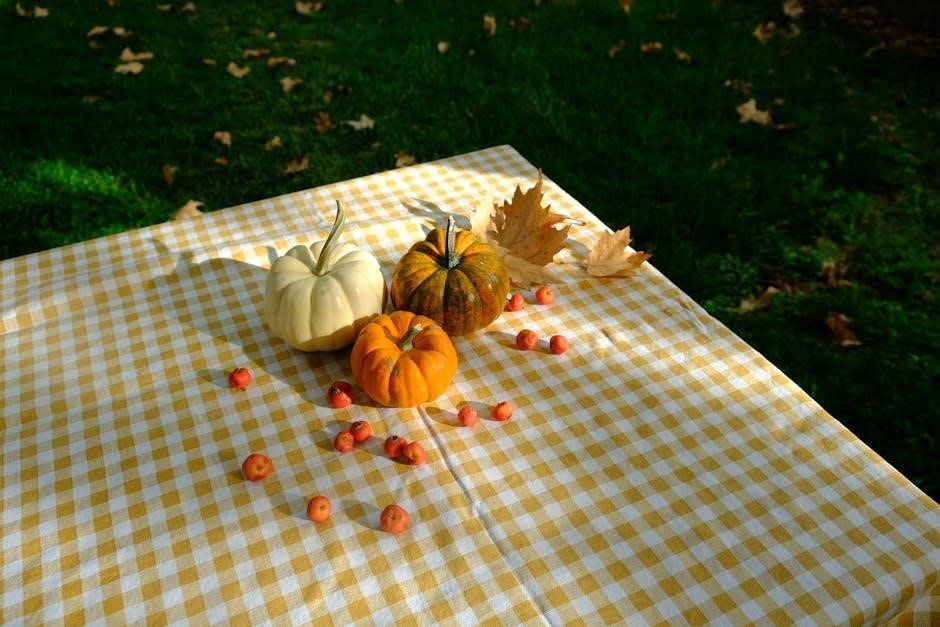
Sizing a square tablecloth requires knowing your table’s dimensions and preferred overhang. Unlike round tables, square tables have two key measurements: length and width. For most square tables, these measurements are equal, but always verify to ensure accuracy.
Measure each side of the table using a measuring tape. Record the measurement in inches. This will be your base table size. To determine the ideal tablecloth size, add the desired overhang to each side;
Common square tablecloth sizes include 52×52 inches, 64×64 inches, and 70×70 inches, catering to various table sizes and overhang preferences. Remember to consider the drop length for a visually appealing drape.
Calculating Size for Square Tables
Precisely calculating the right size for a square tablecloth involves a simple formula: Table Side Length + (2 x Overhang). First, measure one side of your square table in inches. Then, decide on your desired overhang – typically ranging from 6 to 12 inches, depending on your preference.
Multiply the overhang by two to account for both sides of the table. Add this result to the table’s side length. The final number represents the minimum tablecloth size needed. For example, a 60-inch square table with a 10-inch overhang requires a 80-inch square tablecloth.
Consider rounding up to the nearest standard size for a better fit and drape. A slightly larger tablecloth is preferable to one that’s too small!
Rectangular Tablecloth Sizing
Rectangular tables are common, but sizing a tablecloth for them requires measuring both length and width. Begin by accurately measuring the length and width of your table. Remember, consistent measurements are crucial for a proper fit. Next, determine your desired overhang – the amount of fabric extending beyond the table’s edges.
Add the overhang to both the length and width measurements. For instance, if your table is 60 inches wide and 84 inches long, and you want a 10-inch overhang, you’ll need a tablecloth that’s 70 inches wide and 94 inches long.
Standard sizes often accommodate these calculations, but rounding up is always recommended for a more elegant drape and complete coverage.
Standard Rectangular Tablecloth Sizes
Common rectangular tablecloth sizes cater to a wide range of table dimensions. A 60×84-inch tablecloth fits tables around 58×82 inches with a modest overhang. For larger gatherings, a 90×132-inch size is ideal for tables approximately 88×130 inches, providing a more substantial drape.
Other frequently available sizes include 60×108 inches, suitable for longer tables, and 60×120 inches, offering ample coverage for banquet-style setups. When selecting, consider the number of chairs and the desired aesthetic. A longer overhang creates a more formal look, while a shorter one is more casual.
Don’t hesitate to size up; excess fabric is easier to manage than a tablecloth that’s too short!
Oval Tablecloth Sizing
Sizing for oval tables requires a slightly different approach than square or rectangular ones. Because of the curved ends, you’ll need to measure the length and width at the widest points of your table. Don’t simply measure the longest dimension!
To determine the correct size, treat the oval table as if it were a rectangle with rounded corners. Add the desired overhang (typically 8-12 inches) to both the length and width measurements. This ensures a balanced and elegant drape around the entire table.
Standard oval tablecloths aren’t always readily available, so custom sizing might be necessary for a perfect fit. Consider a rectangular cloth slightly larger than your calculations.
Sizing Considerations for Oval Tables
Oval tables present unique challenges when selecting a tablecloth. Unlike rectangular tables, the curves necessitate careful measurement to avoid an awkward fit. Always measure both the longest and widest points of the table to account for the varying dimensions.
The desired overhang is crucial; a longer drop creates a more formal look, while a shorter drop is suitable for casual settings. Consider the table’s purpose and your personal style. A 10-12 inch overhang is generally recommended for oval shapes.
Fabric choice impacts drape. Lighter fabrics may require a slightly larger size to achieve a full, elegant look, while heavier fabrics will drape more readily.
Drop Length: A Key Measurement
Drop length is the vertical distance between the edge of the tablecloth and the floor. It’s a fundamental aspect of achieving the desired aesthetic and functionality. A standard drop typically ranges from 8 to 15 inches, but personal preference and table usage heavily influence the ideal length.
Shorter drops (8-10 inches) are ideal for casual dining or smaller tables, creating a neat and practical appearance. Longer drops (12-15 inches) offer a more formal and luxurious feel, often preferred for special occasions or larger dining spaces.
Consider the table’s height when determining drop length. Standard dining tables are around 30 inches tall; adjust accordingly for taller or shorter tables.
Calculating the Ideal Drop Length
To determine your ideal drop length, begin by measuring your table’s height from the floor to the tabletop. Then, decide on your preferred drop – remember, 8-10 inches is casual, while 12-15 inches is more formal.
Add the table height and desired drop length together. For example, a 30-inch table with a 12-inch drop requires a tablecloth length of 42 inches. This calculation ensures the tablecloth reaches the desired point above the floor.
Visualize the final look by temporarily draping a sheet or fabric over the table to simulate different drop lengths. Don’t forget to account for any table legs or aprons when making your final decision!
Tablecloth Sizes for Different Table Sizes
Selecting the right size depends on your table’s dimensions. A 60-inch round table typically needs a 90-120 inch tablecloth for a 15-20 inch drop. For 70-inch rounds, aim for 110-140 inches.
Square tables require careful consideration. A 72-inch square table usually fits best with a 90×90 inch or 108×108 inch tablecloth. Rectangular tables vary greatly. A 60×84 inch table often uses a 60×84 inch or 60×90 inch cloth.
Larger tables, like 90×132 inch rectangles, benefit from a 90×156 inch tablecloth. Remember to adjust based on your desired overhang and table height for a polished look!

60-inch Round Tables
A 60-inch round table is a common size, often found in breakfast nooks or smaller dining spaces. For a standard 10-12 inch drop, a 70-72 inch diameter tablecloth is a good starting point.
If you prefer a more dramatic look, consider a larger size, such as an 84-inch diameter tablecloth, creating a 12-18 inch overhang; This adds elegance and protects chairs. Remember to factor in the table’s height; taller tables may require a longer drop.
For casual settings, a shorter drop is acceptable, while formal occasions benefit from a more substantial overhang. Always measure to ensure a perfect fit!
70-inch Round Tables
A 70-inch round table offers more dining space, making it suitable for small families or intimate gatherings. To achieve a classic 10-12 inch overhang, opt for a tablecloth with a diameter of 82-84 inches. This provides ample coverage and a polished appearance.
For a more luxurious drape and substantial coverage, consider a 90-inch diameter tablecloth, resulting in a 20-inch drop. This is ideal for formal dinners or special occasions. Consider the table’s purpose; everyday use might warrant a smaller drop.
Don’t forget to account for chair placement and desired aesthetic. Precise measurements are key to a beautifully set table!
72-inch Square Tables
A 72-inch square table is versatile, fitting comfortably in many dining spaces. Achieving a balanced look requires careful consideration of the overhang. For a standard 8-10 inch drop on each side, select a tablecloth measuring 88-92 inches square. This provides a neat and functional coverage.
If you prefer a more dramatic, flowing drape, increase the drop to 12-15 inches, requiring a 96-102 inch square tablecloth. This is particularly effective for formal settings. Remember to factor in chair placement to ensure comfortable seating.
Accurate measurements are crucial for a polished presentation. Consider the table’s legs and any apron details when determining the ideal size!
60×84-inch Rectangular Tables
The 60×84-inch rectangular table is a common size, often found in smaller dining rooms or breakfast nooks. To determine the correct tablecloth size, consider your desired overhang. A standard 8-10 inch drop on all sides necessitates a tablecloth approximately 76-86 inches long and 88-94 inches wide.
For a more substantial look, opt for a 12-15 inch drop, increasing the required dimensions to 84-93 inches long and 96-102 inches wide. This creates a luxurious feel, especially with heavier fabrics. Always account for chair clearance to avoid discomfort.
Precise measurements are key to a beautifully set table. Don’t forget to consider the table’s apron!
90×132-inch Rectangular Tables
Larger rectangular tables, measuring 90×132 inches, are frequently used for family gatherings and formal dining. Achieving the right tablecloth fit requires careful consideration of the desired overhang. A standard 8-10 inch drop translates to a tablecloth approximately 106-114 inches wide and 148-150 inches long.
For a more dramatic and elegant presentation, a 12-15 inch drop is recommended, increasing the necessary dimensions to 114-123 inches wide and 156-159 inches long. This generous drape enhances the overall aesthetic, particularly with luxurious fabrics like linen or damask.
Remember to factor in chair placement and ensure ample legroom. Accurate measurements are crucial for a polished look!
Specialty Tablecloth Sizes
Beyond standard table dimensions, certain events necessitate specialty tablecloth sizes. Banquet tables, often used for large gatherings, typically range from 6 to 8 feet in length and 2.5 to 3 feet in width. Corresponding tablecloths require lengths of 90-144 inches and widths of 30-36 inches, with appropriate overhang.
Cocktail tables, designed for casual socializing, usually measure 28-30 inches in diameter or are square, around 24-30 inches per side. Fitted or round tablecloths with a 10-12 inch drop are ideal, creating an elegant and functional surface.
Consider the table height when selecting a tablecloth for cocktail tables; a shorter drop is often preferred to maintain accessibility. Proper sizing ensures a professional and inviting presentation for any event.
Banquet Tablecloth Sizes
Banquet tables, commonly 8 feet long and 30 inches wide, demand specific tablecloth dimensions for a polished look. A standard 90×132-inch tablecloth provides a 12-inch drop on all sides, offering a classic and functional drape. However, variations exist based on desired elegance.
For a more dramatic effect, consider a longer drop – 18 or even 24 inches – requiring tablecloths measuring 90×156 inches or larger. Linens should fully cover the table legs unless a specific aesthetic calls for them to be visible.
When using multiple banquet tables joined together, calculate the total length and width to ensure seamless coverage. Prioritize wrinkle-resistant fabrics for easy maintenance during large events.
Cocktail Tablecloth Sizes
Cocktail tables, typically 27-30 inches in diameter and 30-36 inches high, require proportionally sized tablecloths. A common choice is a 108-inch round tablecloth, creating a generous drop that elegantly conceals the table base. This drop adds a touch of sophistication to casual gatherings.
For a more modern, fitted look, consider a tablecloth with a shorter drop – around 10-12 inches. Square cocktail tables often utilize 52×52 inch cloths, providing a balanced aesthetic. Ensure the fabric reaches the desired point on the table legs.
Polyester or blended fabrics are popular choices for cocktail tables due to their durability and wrinkle resistance, ideal for frequent use and easy cleanup.
Tablecloth Materials and Sizing
The fabric of your tablecloth significantly impacts its drape and overall look. Lighter materials like linen and voile create a relaxed, flowing effect, often requiring a slightly larger size to compensate for less structure. Heavier fabrics, such as damask or thick cotton, hold their shape better and may allow for a more precise fit.

Polyester blends offer a balance of affordability and durability, with moderate draping qualities. Silk, while luxurious, is delicate and best suited for formal occasions, demanding careful sizing to showcase its beauty.
Consider the weave; tighter weaves generally require less overhang than looser weaves. Fabric weight influences the desired drop length, affecting the tablecloth’s visual impact.
How Fabric Weight Affects Drape
Fabric weight is a crucial factor in achieving the desired tablecloth drape. Lighter-weight fabrics, like linen or voile, possess a more fluid and airy drape, cascading gently towards the floor. These materials often benefit from a generous overhang to enhance their flowing appearance and prevent a sparse look.
Conversely, heavier fabrics – such as damask, brocade, or thick cotton – exhibit a more structured and substantial drape. They hold their shape well and require less excess fabric to create an elegant presentation. A moderate overhang is typically sufficient with these materials.
The interplay between weight and drape dictates the overall aesthetic. Heavier fabrics convey formality, while lighter fabrics evoke a casual, relaxed ambiance.
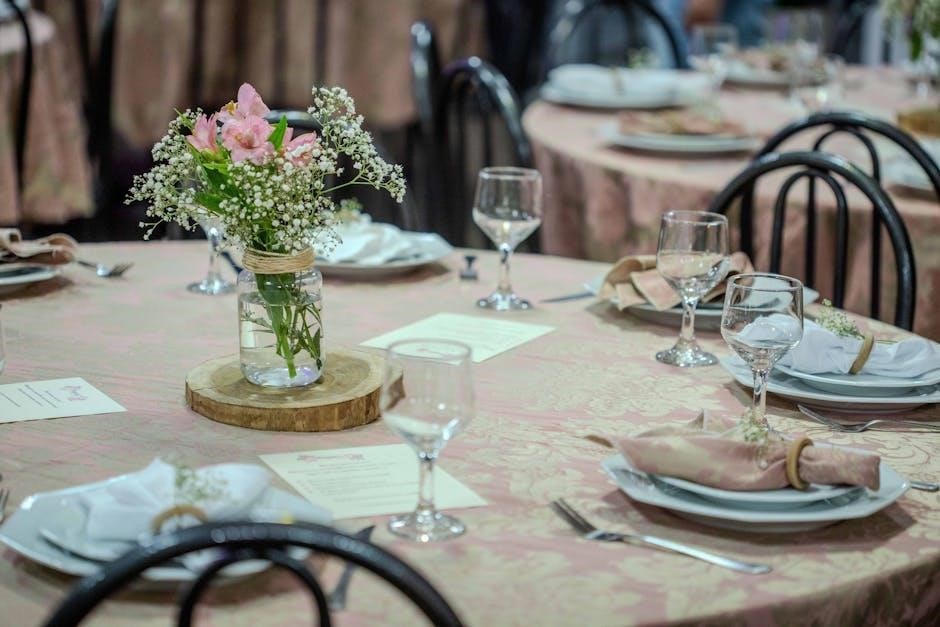
Considering Table Legs and Aprons
Accurate sizing requires accounting for your table’s legs and apron. The apron is the framed edge beneath the tabletop, and its presence impacts the desired drop length. If you prefer a full coverage, concealing the legs entirely, measure from the tabletop’s edge to the floor, factoring in the apron’s height.
For a more tailored look, allowing the legs to be partially visible, subtract the desired exposed leg height from the total drop length. Tables with ornate or decorative legs often benefit from a shorter drop, showcasing their design.
Consider the leg style: slender legs require less coverage than thicker, pedestal bases.
Where to Buy Tablecloths (Online & In-Store)
Numerous retailers offer a vast selection of tablecloths. Online giants like Amazon, Wayfair, and Overstock provide extensive choices, detailed sizing information, and customer reviews. Specialty linen stores, such as LinenTablecloth.com, focus specifically on tablecloths, offering custom sizing and a wider range of fabrics.
For a tactile experience, explore brick-and-mortar stores like Bed Bath & Beyond, Macy’s, and Target. These allow you to assess fabric quality and visualize the drape. Local fabric stores can also create custom tablecloths to your exact specifications.

Don’t forget to compare prices and shipping costs across different vendors before making a purchase!
Common Tablecloth Sizing Mistakes to Avoid
A frequent error is measuring only the tabletop, neglecting the apron – the lip around the edge. Always measure from edge to edge including the apron for accurate sizing. Another mistake is underestimating the desired overhang. A too-short tablecloth looks awkward, while excessive drape can create tripping hazards.
Ignoring fabric weight is also problematic. Lightweight fabrics require a larger overhang to achieve a pleasing drape, whereas heavier materials fall more readily. Failing to account for table legs can lead to an ill-fitting tablecloth.
Finally, don’t assume all “standard” sizes are truly universal; always double-check measurements!
Tablecloth Sizing Charts & Resources
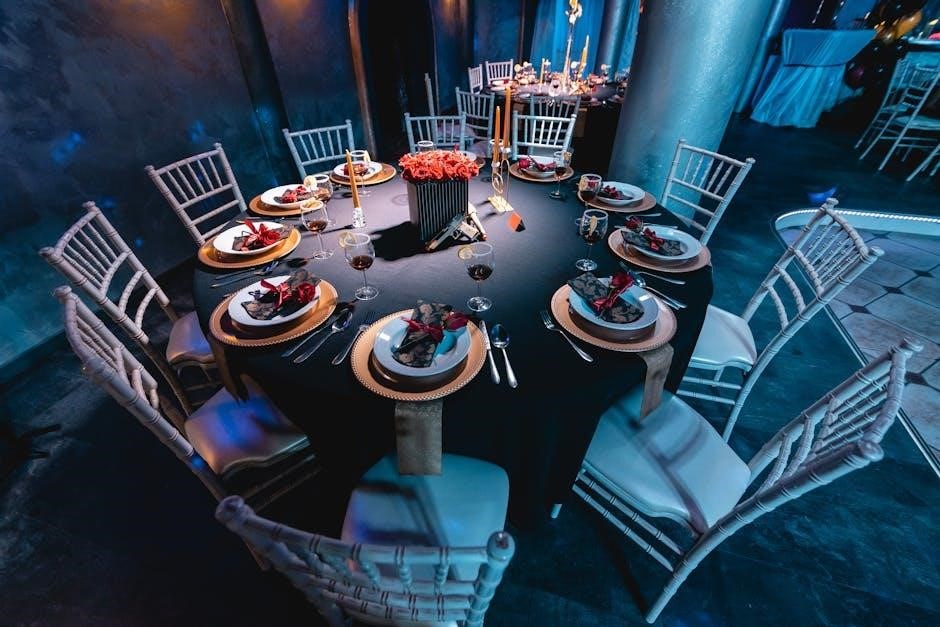
For quick reference, several online resources offer comprehensive tablecloth sizing charts. Linentablecloth.com provides detailed guides for round, square, rectangular, and oval tables, categorized by common dimensions and desired drop lengths. Tableclothfactory.com features a similar chart, alongside a helpful drop length calculator.
Additionally, many retailers – like Amazon and Wayfair – include sizing information within their product descriptions. Pinterest boards dedicated to table setting and décor often showcase visual examples of appropriate overhangs.
Remember to utilize these tools as starting points, always verifying measurements against your specific table to ensure a perfect fit and elegant presentation.